
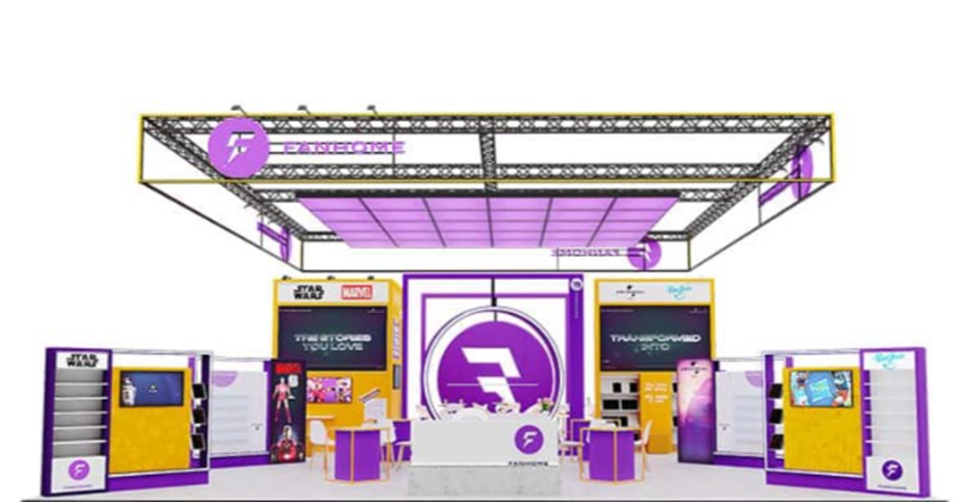
At a trade show, the booth needs to make an immediate impression while fitting the realities of the venue. Los Angeles offers large exhibition spaces, but each hall can have different requirements for booth height, freight access, and installation. For example, the Los Angeles Convention Center has specific height limits across South Hall, West Hall, and Kentia Hall. A strong Los Angeles exhibit rental starts with choosing a setup that fits the show’s space and audience from the beginning.
This blog explores the things that you should know before choosing a Los Angeles exhibit rental.
Types of Exhibit Rentals in Los Angeles
Exhibit rentals can range from standardized modular systems to more customized environments. Some of the common types of exhibit booth rentals in Los Angeles are:
| Rental type | Best suited for | Typical characteristics |
| Modular exhibit | Repeat exhibitors | Reconfigurable components, graphics, counters, and shelving |
| Custom rental | Brand-focused exhibits | More flexibility in architecture, graphics, lighting, and layout |
| Portable display | Smaller footprints | Lightweight structures, quick setup, and simple graphics |
| Hybrid exhibit | Complex programs | Combines rental components with selected custom elements |
Pricing Structure
Exhibit rent charges should be considered a complete project instead of just the exhibit booth alone. The proposal could cover design, graphics, furnishings, flooring, construction, deconstruction, materials handling, electrical work, and many other services related to the show. The best practice is to have the proposal provide an itemized scope so that comparisons can be made.
Check to see whether the proposal includes:
- Exhibit design and fabrication
- Graphic design, fabrication, and installation
- Construction/deconstruction labor
- Furnishings and accessories
- Material handling or drayage
- Electrical, internet, audio-visual, or rigging coordination
- Shipping, reverse logistics, and storage
Union Labor Rules
Labor requirements are a major consideration when planning an exhibit at the Los Angeles exhibition centers. Here are some union labor rules that can be applicable to exhibition centers:
- Tradeshow & Sign Crafts Local 831 handles all activities related to temporary exhibits and signage, which include installation, construction, demolition, and maintenance.
- A permanent employee of the exhibitor firm may assist a union installer individually.
- Authorized general service contractors must use union labor for all drayage, freight movement, carpentry, decorating, and rigging.
Drayage
Drayage, also known as material handling, involves the transportation of exhibit freight inside the trade show location. Drayage may involve the receipt of freight, transportation of freight to the exhibit booth, storage of empty crates during the event, and removal of freight following deconstruction.
Los Angeles exhibit booth rental requires that drayage be considered separately as part of logistics. Shipping and material handling may be two different services. According to Freeman, shipping brings the exhibit items to the show while material handling involves everything done to the freight after arrival at the warehouse or show location.
Before shipping, find out about the show’s advance warehouse deadline. You should also know about the direct-to-show cutoff date, freight weight and dimensions, delivery information, and outbound logistics paperwork. All of these details can affect the handling efficiency and the final bill for the logistics services.
Lead Times
While rental exhibits may have shorter production time as compared to fully owned and designed exhibits, that does not imply that the rental should be ordered immediately prior to the event date. The Los Angeles exhibit rental will still need design approvals, graphic designs, production, quality control, logistics, and show service.
For a customized rental exhibit, a start date 12 weeks prior to the event is ideal. Industry best practices recommend allocating time for the proposals, designing and redesigning, finalizing approvals, as well as an optional preview of the exhibit.
The ideal timeline would include the following:
- Booth specifications and RFP
- Design and revisions
- Approval of contract
- Graphics and production
- Pre-show inspection
- Show service and freight deadlines
Storage
Storage must be taken into account before deciding on a rental for the exhibition. Los Angeles exhibit booth rental providers might store the booth between exhibitions, thereby reducing the requirement for the exhibitor to organize any storage separately.
The next thing is to check if storage services are provided and how the booth is stored once the assembly is completed. It is also wise to find out what happens to the booth between the exhibitions and how it is prepared for its next use. If booth graphics need replacing, clarify who takes care of this task.
Final Thoughts
To choose the right Los Angeles exhibit rental, you need to identify the type of exhibit rental suitable for your brand engagement. You should also pay attention to the pricing structure, union labor rules, dryage, lead times and storage. A reliable trade show rental service should clearly explain all of these requirements and coordinate the exhibit with show deadlines. Careful planning helps in creating a predictable exhibiting process while keeping the rental aligned with your brand’s objective.
FAQs :
1. What should I know before choosing a Los Angeles exhibit rental?
You should understand the type of rental that fits your brand, the full pricing structure, union labor requirements, drayage logistics, lead times, and storage options before committing to a provider.
2. What types of exhibit rentals are available in Los Angeles?
Common options include modular exhibits for repeat exhibitors, custom rentals for brand-focused exhibits, portable displays for smaller footprints, and hybrid exhibits that combine rental components with custom elements.
3. What does the pricing for a Los Angeles exhibit rental usually include?
A complete proposal typically covers exhibit design and fabrication, graphics, construction and deconstruction labor, furnishings, material handling or drayage, electrical and AV coordination, and shipping or storage.
4. Why do union labor rules matter for Los Angeles trade shows?
Union labor, such as Tradeshow & Sign Crafts Local 831, controls activities like installation, construction, demolition, and rigging, so authorized contractors must use union crews for drayage, carpentry, and decorating.
5. How far in advance should I book a Los Angeles exhibit rental?
For a customized rental exhibit, it’s best to start the process about 12 weeks before the event to allow time for design approvals, graphics production, quality control, and logistics coordination.