
You can’t just show up with a booth and hope people wander over. Everyone else in the hall is trying just as hard to grab attention, and the crowd’s only got so much time and patience to give. So if you want your budget to actually do something for you, you need more than a nice-looking setup.
You need a real plan, one that mixes good ideas with what’s actually doable and a bit of strategy behind it. And if you’re exhibiting for the first time, or you’ve done this before but want better results, it helps to know how trade show rentals in Los Angeles actually work before you commit to anything.
Understand Your Target Audience
Not every trade show in Los Angeles attracts the same crowd. Some events are highly niche, while others bring in a broader audience. Knowing who will walk past your booth helps you tailor your approach. Think about:
- Who are you trying to attract?
- What problems are they trying to solve?
- What would make them stop at your booth?
When you understand your audience, your messaging becomes more relevant, and that’s what really drives engagement.
Choose the Right Booth Design
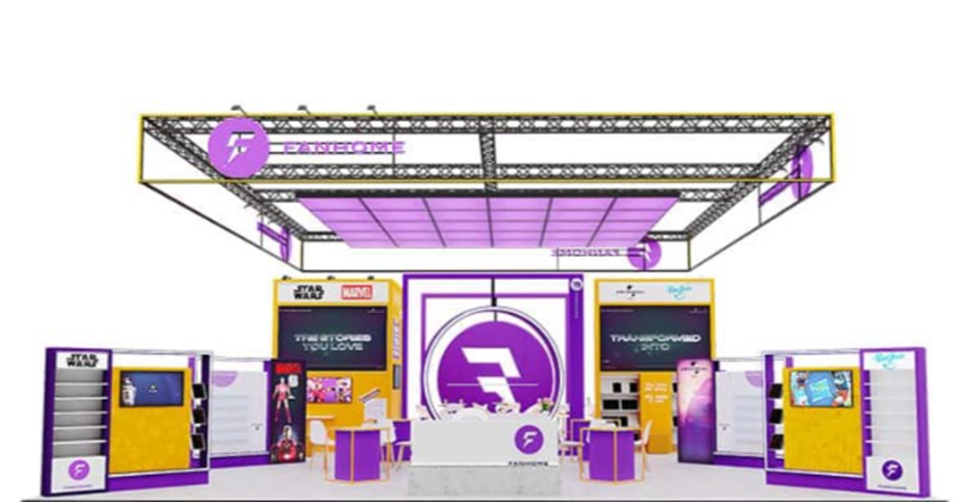
Your booth is often the first impression people have of your brand at the event. If it doesn’t catch attention quickly, people will simply walk past. A good booth design doesn’t have to be flashy, but it should be:
- Visually clear and easy to understand
- Open and inviting, not cluttered
- Aligned with your brand identity
Most firms opt for Los Angeles trade show exhibit rentals due to their convenience, since they provide flexibility without having to own a booth or carry it around. Browsing the available Los Angeles exhibit rental options also makes it easier to customize the exhibit according to the occasion and the target audience.
Location and Booth Space Selection
The location of your booth does matter a lot. Busy locations are bound to give you more visibility; however, they will also mean more competition.
If you can get a location along the major pathways and close to entrances or major attraction points, then that would be ideal for you. At the same time, you should consider the size of the booth. A larger booth works only if you can use it effectively.
Budget Planning and Cost Management
Exhibiting at trade shows can be costly if you do not plan ahead. You have to bear the actual cost of the booth. There are also costs associated with travel, staff, shipping, marketing materials, and others.
It helps to set a realistic budget early and prioritize what matters most. For many businesses, using Los Angeles trade show exhibit rentals helps reduce costs while still achieving a professional-looking appearance. The objective should not be to cut back on expenses but rather to spend smart.
Incorporate Technology for Engagement
Modern trade show attendees want more than just passive displays; they want booths with which they can interact. This does not necessarily imply that you add the newest and most expensive technologies, but small functional ones that add value.
- Interactive screens or demos
- Digital presentations
- Lead capture tools
The key is to use technology in a way that supports your message, not distracts from it.
Plan Logistics and Compliance
While logistics are perhaps not the most glamorous aspects of planning, they are important nonetheless. Los Angeles venues usually have stringent rules concerning setup, timing, and safety. You will have to take into account:
- Schedules of shipping and delivery
- Times for setup and breakdown
- Requirements for power and internet access
Working with experienced suppliers can make life much easier for you, particularly if you are new to the venue.
Train Your Booth Staff
Even the best-designed booth won’t perform well without the right people managing it. Your team is what turns attention into actual conversations. Make sure your staff:
- Understands your products or services clearly
- Knows how to start and guide conversations
- Is approachable and engaged
A friendly and knowledgeable team can make a lasting impression.
Also Read this Blog: How Can the Right Exhibit Rental Improve Your Trade Show Experience
Conclusion
Creating an exhibition for a trade show in Los Angeles goes beyond good design. It means making the right decisions at every phase, from setting the objective right and understanding your audience to handling logistics and follow-up. All these aspects contribute to the success of your business one way or another. With a well-thought-out plan and the right use of trade show rentals in Los Angeles, businesses can create exhibits that not only stand out but also deliver real, measurable results. If you’re weighing rental against buying outright, our companion post on how the right exhibit rental improves your trade show experience breaks that decision down further.
Frequently Asked Questions
How do I know what booth size I need for a Los Angeles trade show?
Booth size should match your goals and audience volume, not just your budget. A larger footprint only pays off if you have enough staff and interactive elements to use the space effectively; otherwise a smaller, well-designed booth performs better.
What’s the biggest budget mistake exhibitors make in Los Angeles?
Underestimating costs outside the booth itself, such as travel, staffing, shipping, and marketing materials. Setting a realistic total budget early, rather than focusing only on the booth rental price, helps avoid overspending later.
Does booth location really affect trade show results?
Yes. Locations along major pathways and near entrances typically get more foot traffic, though they also come with more competition and often a higher cost. Balancing visibility against budget is part of smart location planning.
How much technology should I add to my trade show booth?
Enough to support your message without overwhelming it. Small, functional additions like interactive screens, digital presentations, or lead capture tools tend to perform better than expensive tech that distracts from your core message.