
A trade show booth is more than a structure with a company logo on the wall. It is a space where businesses introduce their brand, speak with potential customers, demonstrate products, and create an impression on visitors. Building a Custom Trade Show Booth Design involves several steps, from the first concept to installation at the event.
Understanding the Brand and Event
The first step is understanding what the business wants to achieve at the trade show. A company focused on product demonstrations may need a different setup from one that mainly wants to hold client meetings.
The event itself also matters. Booth size, venue rules, audience, location on the show floor, and available facilities can all influence the design. These details help shape the initial concept.
Creating the Booth Layout
Once the requirements are clear, designers can plan the layout. The goal is to use the available floor space in a practical way while keeping the booth visually appealing.
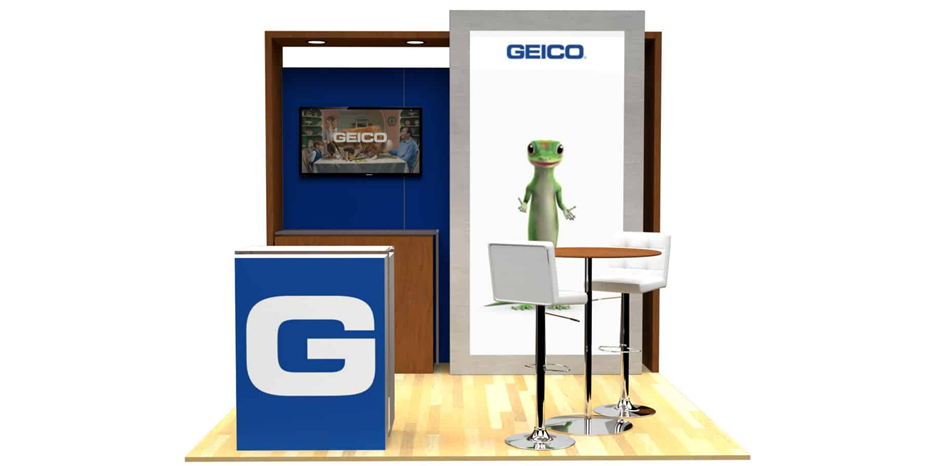
A typical layout may include product displays, branded walls, reception counters, seating, storage, and meeting areas. Visitor movement should also be considered so the booth does not feel cramped.
Designing the Visual Elements
Graphics play an important role in making a booth recognisable. The design may include company branding, product images, headlines, service information, and other visual elements.
The messaging needs to remain easy to read, especially from the aisle. Too much text can make the booth difficult to understand, while clear headlines and well-placed visuals can communicate the main idea quickly.
Selecting Materials and Structures
The physical construction is another important part of a custom trade show exhibit. Depending on the design, the booth may use materials such as wood, metal, fabric, acrylic, glass, or printed panels.
Material selection can affect the appearance, weight, durability, transportation, and installation process. The choices should fit both the creative concept and the practical requirements of the event.
Adding Lighting and Technology
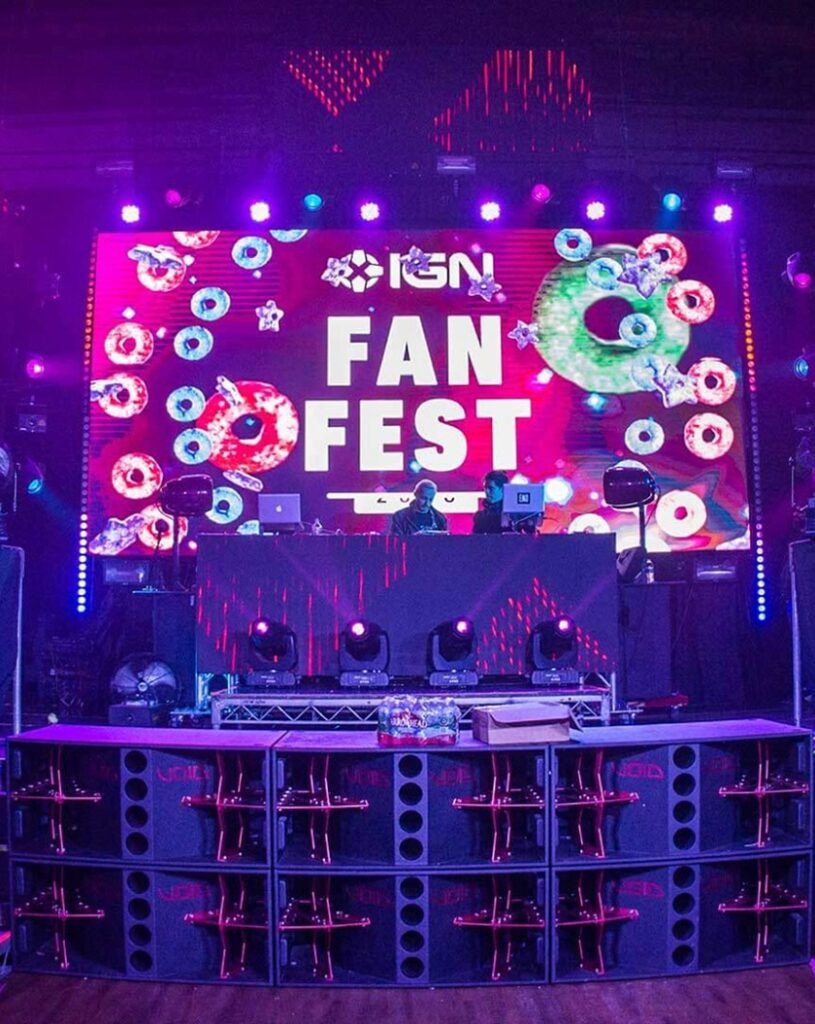
Lighting can be used to highlight products, graphics, or specific areas of the booth. Backlit panels and focused lighting can also give the display more visual depth.
Technology may include digital screens, touch displays, charging stations, or interactive product demonstrations. These features work best when they have a clear purpose and support the visitor experience.
Building and Testing the Exhibit
After the design is approved, the components are produced and prepared for installation. Depending on the complexity of the booth, different sections may be manufactured separately before being assembled at the venue.
Testing is important at this stage. Graphics, lighting, screens, electrical connections, and structural elements should be checked before the exhibition begins.
Installation at the Venue
The final stage is assembling the booth at the trade show venue. Installation teams need to work according to the venue’s schedule and regulations.
Once the structure is in place, graphics, furniture, displays, lighting, and technology are added. A final inspection helps ensure that everything is ready before visitors enter the exhibition hall.
A Design Built Around the Brand
A successful booth combines creative design with practical planning. Every element, from the floor plan to the graphics and lighting, should work together to support the company’s goals.
A Custom Trade Show Booth Design can give a business a distinct presence at an exhibition while creating a space that is comfortable, functional, and easy for visitors to understand.
FAQs (with answers):
1. What goes into a custom trade show booth design?
A custom trade show booth design involves understanding the brand and event goals, planning the layout, designing visual graphics, selecting materials, adding lighting and technology, building and testing components, and final installation at the venue.
2. How does the event itself influence the booth design?
Booth size, venue rules, audience type, location on the show floor, and available facilities all shape the initial concept, since a product-demo-focused company may need a very different setup than one focused on client meetings.
3. What materials are used to build a custom trade show exhibit?
Depending on the design, a custom trade show exhibit may use wood, metal, fabric, acrylic, glass, or printed panels, with material choice affecting appearance, weight, durability, transportation, and installation.
4. Why does lighting matter in a trade show booth?
Lighting highlights products and graphics, adds visual depth through backlit panels and focused fixtures, and works alongside technology like digital screens and touch displays to support the overall visitor experience.
5. What happens during installation at the venue?
Installation teams assemble the booth according to the venue’s schedule and regulations, then add graphics, furniture, displays, lighting, and technology, finishing with an inspection before visitors enter the exhibition hall.