
Los Angeles is home to a wide range of trade shows, conferences, exhibitions, and industry events. With so many businesses displaying their products and services in the same venue, getting noticed can take more than putting a logo on a booth wall. Your display needs to attract attention while also giving visitors a clear reason to stop, ask questions, and learn about your business.
A successful trade show presence starts before the event opens. From booth design and messaging to staff preparation and follow-up, every part of the experience can influence how visitors remember your brand. Here are six practical strategies businesses can use when preparing for Los Angeles Trade Shows.
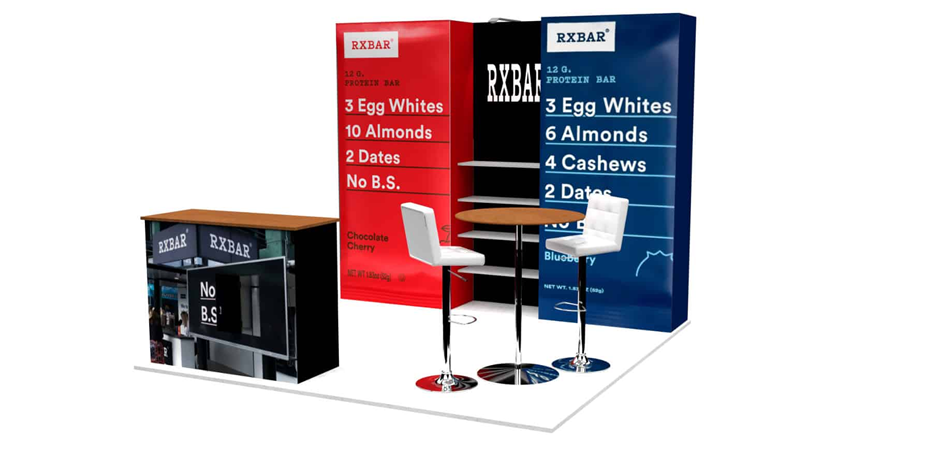
1. Create a Booth That Communicates Quickly
Trade show visitors are constantly moving from one exhibit to another. You may only have a few seconds to catch someone’s attention, so your booth should communicate its main message quickly.
Start with a clear headline that explains what your business does or what visitors can expect to find at your booth. Use large, readable text and strong visuals rather than filling the walls with lengthy paragraphs.
Your company name and important branding should also be visible from the aisle. This allows people to recognise your business even when they are walking past rather than standing directly in front of the booth.
A clean layout can make just as much impact as an elaborate design. Give visitors enough room to enter and look around without making the space feel crowded.
2. Use Your Booth to Tell a Story
A booth can do more than display products. It can introduce visitors to the problem your company solves and show them how your product or service fits into their needs.
Think about the journey you want a visitor to take. The main graphic might introduce the brand, a product display can provide more detail, and a demonstration area can show how the solution works.
This storytelling approach can make the booth easier to understand. Instead of presenting disconnected pieces of information, each part of the display contributes to one clear message.
For businesses using Customized Trade Show displays, this can also mean incorporating brand colours, product visuals, company values, customer examples, and interactive elements into one consistent design.
3. Give Visitors Something to Experience
Interactive experiences can encourage visitors to spend more time at your booth. This does not necessarily mean investing in complicated technology.
A product demonstration, touchscreen presentation, short quiz, live presentation, sample experience, or QR code can give people a reason to engage with your team.
For example, a software company could allow visitors to test a feature on a tablet. A manufacturer could demonstrate a product in action. A service company could use a screen to show before-and-after results or explain its process.
The important point is to make the interaction relevant to your business. An activity may attract attention, but if it has no connection to your offering, visitors may not remember the brand after leaving.
4. Train Your Booth Staff
Even an impressive booth can struggle if the people working there are not prepared. Staff members are often the first direct interaction a visitor has with your company, so their approach matters.
Before the event, make sure everyone understands the company’s products, services, key messages, and goals for the show. Staff should also know how to start a natural conversation without immediately giving visitors a sales pitch.
Simple questions can work well. Asking what brought someone to the event or what they are currently looking for can open a more useful conversation.
Staff should also avoid spending the entire event looking at their phones or talking only with colleagues. Visitors should feel welcome when they approach the booth.
5. Make Your Meeting Space Useful
If your goal is to generate business leads, your booth should provide an appropriate place for meaningful conversations.
Even a small seating area can give sales representatives somewhere to discuss products or services in more detail. Larger exhibits may include semi-private meeting spaces for longer discussions.
Think carefully about the furniture you choose. Too many chairs and tables can take away valuable visitor space. Instead, create a layout that supports conversations while keeping the booth open.
You can also prepare digital presentations, brochures, product samples, or case studies that sales staff can use during these meetings.
6. Plan Your Follow-Up Before the Show Ends
A trade show does not end when the exhibition hall closes. The conversations and contacts made during the event are often the most valuable part of attending.
Have a clear process for collecting visitor information. Depending on your business, this might involve a lead form, QR code, badge scanner, business card collection, or another registration method.
It is also useful to make notes about each conversation. Someone who requested pricing should not necessarily receive the same follow-up message as someone who simply wanted product information.
Follow up while the conversation is still fresh. Mention something discussed at the booth instead of sending the same generic message to every contact.
Preparing for a Successful Trade Show
Standing out at a trade show does not always mean having the largest or most expensive exhibit. A well-planned booth can attract attention through clear messaging, useful design, interactive experiences, and thoughtful visitor engagement.
For businesses preparing for Los Angeles Trade Shows, the focus should be on creating an experience that is easy to understand and relevant to the people attending the event. A strong display can bring visitors in, but good conversations, prepared staff, and timely follow-up can help turn those interactions into meaningful business opportunities.
The best results usually come from treating the trade show as a complete marketing activity rather than focusing only on the booth itself. When design, staff, engagement, lead collection, and follow-up work together, your business can make better use of the time and attention available at the event.
FAQs (with answers):
1. How can a business stand out at Los Angeles trade shows?
Businesses can stand out through clear, fast-communicating booth design, storytelling layouts, interactive visitor experiences, well-trained staff, a functional meeting space, and a strong follow-up plan after the event.
2. How much time do I have to catch a visitor’s attention at a booth?
Trade show visitors move quickly between exhibits, so booths typically have just a few seconds to communicate their main message through a clear headline, large readable text, and strong visuals.
3. What kind of interactive experiences work well at a trade show booth?
Product demonstrations, touchscreen presentations, short quizzes, live presentations, sample experiences, or QR codes can all work well, as long as the activity is relevant to the business and its offering.
4. Why does staff training matter for trade show success?
Staff are often the first direct interaction a visitor has with a company, so they need to understand key messages and goals, start natural conversations, and stay engaged rather than looking at their phones.
5. What should I do after a trade show ends?
Have a clear process for collecting visitor information, take notes on each conversation, and follow up quickly with a personalized message that references what was discussed at the booth rather than a generic note.